The Singapore to Komodo Island Guide: Navigating the May-October Dry Season
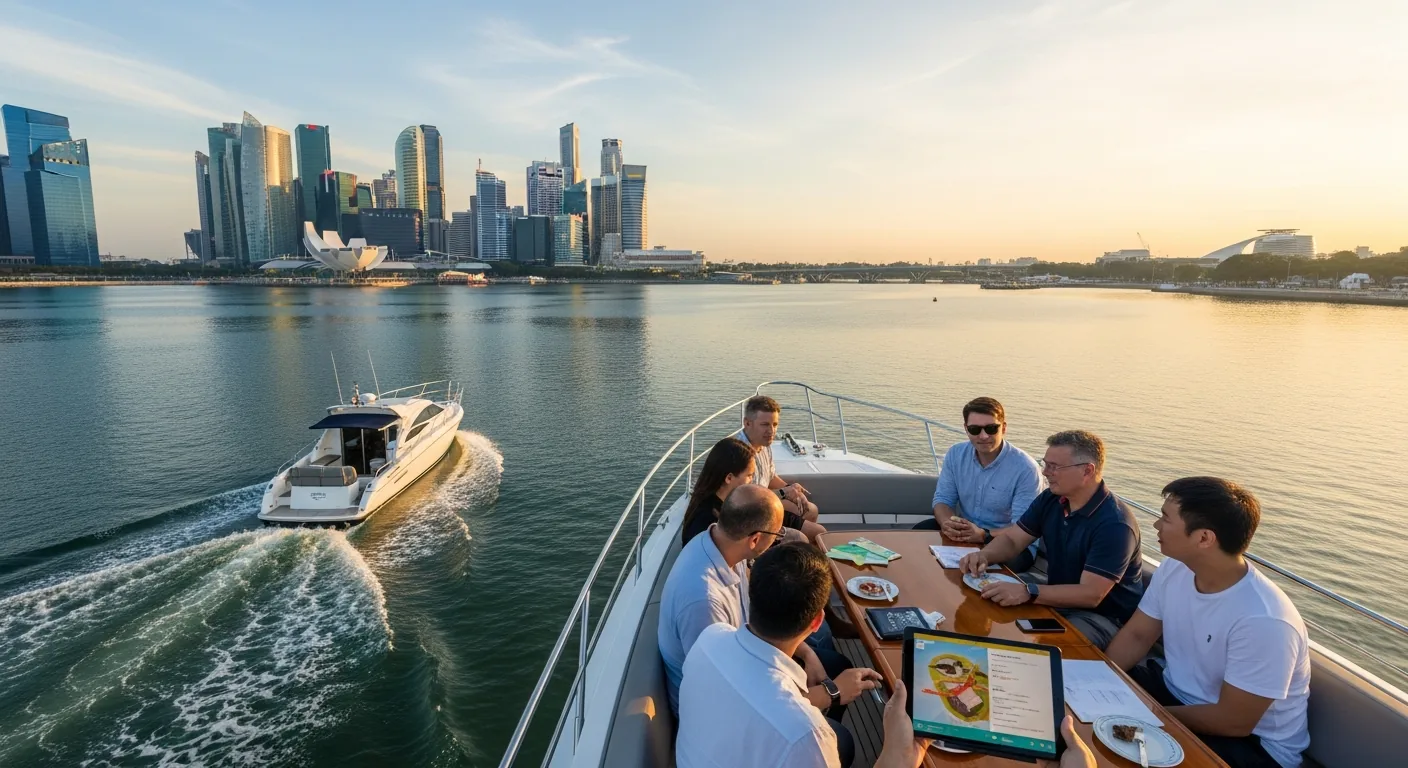
The late afternoon sun casts long shadows across the savannah-like hills of the Lesser Sunda Islands. The air is dry, carrying the scent of dust and salt. Below, the Flores Sea shifts from deep sapphire to a translucent turquoise over shallow reefs. This is the raw, prehistoric tableau of Komodo National Park. For the Singapore-based professional, this world feels a universe away from the steel and glass of the CBD. The perceived distance, however, is more a matter of logistics than geography. The primary challenge is not the journey itself, but orchestrating it within the confines of a long weekend. This guide addresses that precise problem: how to efficiently execute a Singapore to Komodo Island trip, focusing on the optimal travel window and the critical flight connections that make a three-day expedition not just possible, but practical.
Why May to October is the Optimal Window for a Komodo Trip
Timing is the most critical variable in planning a trip from Singapore to Komodo. The Indonesian archipelago is governed by two distinct seasons, and the period from May through October represents the dry season—the prime time for visiting Komodo National Park. During these months, the weather is characterized by minimal rainfall, lower humidity, and clear blue skies, creating ideal conditions for every activity the park offers.
Sea conditions are significantly calmer, a crucial factor for those prone to seasickness and for the quality of marine excursions. Water visibility for divers and snorkelers frequently exceeds 25-30 meters, revealing the full color and diversity of sites like Batu Bolong and Siaba Besar. This period, particularly from April to June, is also peak season for encountering congregations of Manta Rays at their primary cleaning station, Manta Point. According to local dive masters, sightings of more than a dozen individuals on a single dive are not uncommon during these months.
Above the water, the landscape is stark and compelling. The arid climate turns the park’s iconic hills a golden brown, a dramatic contrast against the vibrant blue sea. This is also a period of heightened activity for the park’s main residents. The Komodo dragon (Varanus komodoensis) mating season typically runs from July through August. During this time, males become more active and territorial, often engaging in dramatic clashes, which increases the probability of witnessing these powerful creatures in their natural habitat. Planning a Singapore Komodo tour within this six-month window ensures the best possible return on your investment of time and resources.
The Singapore Gateway: Choosing Your Flight Path to Labuan Bajo
There are no direct flights from Singapore’s Changi Airport (SIN) to Labuan Bajo’s Komodo Airport (LBJ). Therefore, any Singapore to Labuan Bajo itinerary requires a transit through a major Indonesian hub. The two most efficient gateways are Denpasar, Bali (DPS) and Jakarta (CGK). The choice between them depends on flight availability, cost, and personal preference for the layover experience.
“The Bali route is generally preferred by leisure travelers from Singapore,” notes Andi Saputra, a Flores-based travel operations manager with over a decade of experience. “Ngurah Rai Airport in Denpasar is more compact and resort-oriented, making for a less stressful transit. The Jakarta route via Soekarno-Hatta can sometimes offer more competitive pricing or better connection times with full-service carriers like Garuda Indonesia, but the airport is substantially larger and can be more challenging to navigate on a tight schedule.” See also: Singapore to Komodo Island Travel Guide.
A typical Singapore Komodo flight plan involves an early morning departure from Singapore, arriving in Bali or Jakarta by mid-morning. The connecting flight to Labuan Bajo, usually operated by Garuda Indonesia, Batik Air, or AirAsia, is a short hop of approximately 60 to 90 minutes. For a weekend trip, aim to land in Labuan Bajo no later than 2:00 PM on a Friday to allow for immediate transfer to your vessel. Round-trip fares from Singapore to Bali typically range from USD 150 to USD 250, while the domestic leg from Bali to Labuan Bajo can add another USD 100 to USD 150. Booking these segments separately can sometimes yield savings.
Comparison of Transit Hubs: Bali (DPS) vs. Jakarta (CGK)
| Metric | Via Denpasar, Bali (DPS) | Via Jakarta (CGK) |
|---|---|---|
| Total Travel Time | Approximately 6-8 hours (including layover) | Approximately 7-9 hours (including layover) |
| Connecting Airlines to LBJ | Garuda Indonesia, Batik Air, AirAsia, Citilink | Garuda Indonesia, Batik Air, Citilink |
| Estimated Round-Trip Cost | USD 250 – USD 450 | USD 220 – USD 400 |
| Airport Experience | Smaller, more efficient domestic terminal. Leisure-focused atmosphere. Proximity to Bali resorts if extending the layover. | Large, sprawling terminals (Terminal 3 for most connections). Can involve long walks or skytrain transfers. More business-oriented. |
A Curated 3-Day Weekend Itinerary from Singapore
This itinerary is designed for maximum impact, condensing the essential Komodo experiences into a 72-hour window, from Friday afternoon to Sunday evening. It assumes an arrival at Labuan Bajo (LBJ) by 2:00 PM on Day 1. See also: see Singapore to Komodo Island Travel Guide’s Home.
- Day 1 (Friday): Arrival and Kalong Island Sunset
Upon arrival at Komodo Airport, a pre-arranged transfer takes you directly to Labuan Bajo harbor. By 3:00 PM, you board your private vessel. The anchor is raised, and you sail towards the edge of the park. The destination is Kalong Island (Bat Island), where at dusk, tens of thousands of flying foxes emerge from the mangroves, creating a spectacular silhouette against the sunset. Dinner is served on board under the stars. - Day 2 (Saturday): Dragons, Peaks, and Pink Sands
An early start brings you to Rinca Island for a morning trek. Rinca is known for its higher density of Komodo dragons, increasing the chances of sightings. Led by a certified park ranger, the 90-minute trek offers encounters with dragons, water buffalo, and macaques. By late morning, the vessel repositions to Padar Island. The 30-minute hike to its iconic viewpoint is strenuous but rewards with a panoramic vista of the island’s tri-colored beaches. The afternoon is reserved for Pink Beach (Pantai Merah), where crushed red coral gives the sand its distinct hue. Snorkeling here reveals pristine coral gardens just meters from the shore. - Day 3 (Sunday): Marine Encounters and Departure
The final morning is dedicated to the park’s marine life. The captain will navigate to a prime location based on current conditions, either Taka Makassar—a crescent-shaped sandbar in impossibly clear water—or the famed Manta Point. A final snorkel or dive offers a chance to swim with manta rays or sea turtles. After a late breakfast, the boat begins its two-hour journey back to Labuan Bajo, docking around 1:00 PM. You are then transferred to the airport for a mid-afternoon flight (e.g., a 3:00 PM departure) to Bali or Jakarta, connecting onward to Singapore.
Selecting Your Komodo Vessel: Phinisi vs. Speedboat
The vessel you choose is your base, your transport, and a core part of the experience. The two primary options for exploring Komodo from Singapore on a short trip are traditional Phinisi liveaboards and modern speedboats.
“For a weekend, a private charter is the most efficient use of time,” advises marine tourism consultant Isabelle Chen. “A Phinisi offers an authentic, romantic experience, allowing you to wake up in the park’s most beautiful anchorages. A speedboat, on the other hand, maximizes your range, covering more sites in a single day, which can be an advantage if you prefer to sleep in a hotel on land.” See also: Contact.
Phinisi Liveaboards: These two-masted wooden schooners are handcrafted by the Bugis and Konjo people of South Sulawesi. They are the classic way to explore the archipelago. For a weekend trip, chartering a smaller Phinisi with 3-5 cabins is ideal. Costs for a private charter can range from USD 1,800 to USD 5,000+ per night for the entire boat, inclusive of crew, meals, and park activities. Individual cabins on shared trips start around USD 350 per person per night for a standard cabin, rising to over USD 1,200 for a master suite on a luxury vessel like the Ayana Lako di’a.
Private Speedboats: For those who want to see the highlights—Padar, Komodo Island, Pink Beach, Manta Point—in a single, fast-paced day, a private speedboat is the solution. This allows you to stay at a hotel in Labuan Bajo, such as the Ayana Komodo Resort or Plataran Komodo. A full-day private speedboat charter for up to 10 guests typically costs between USD 900 and USD 1,500, including a guide, lunch, and snorkeling equipment.
Komodo National Park Logistics: Fees, Permits, and Packing
Navigating the park’s administrative requirements is straightforward when handled by a reputable tour operator, but it’s wise to be aware of the costs. The Komodo National Park fee structure is multi-layered. As of early 2024, the primary entrance fee is IDR 150,000 (~USD 10) per person on weekdays and IDR 225,000 (~USD 15) on Sundays and public holidays. These fees are valid for one day.
In addition to the entrance ticket, there are several mandatory local government levies and activity fees:
- Ranger Fee: A compulsory guide from the forestry department (PHKA) is required for any trek on Komodo or Rinca islands. The fee is approximately IDR 80,000 (~USD 5) per group of up to five people.
- Activity Fees: There are separate small fees for specific activities, such as snorkeling (IDR 15,000) and diving (IDR 25,000).
- Port Clearance and Mooring: Your boat operator handles these fees, which are usually built into the charter price.
For a seamless trip, ensure your packing is practical. Key items include sturdy walking shoes for the treks on Padar and Rinca, reef-safe sunscreen (zinc oxide-based formulations are preferred to protect the coral), a dry bag for electronics during dinghy transfers, and a sufficient amount of Indonesian Rupiah (IDR) for tips and small purchases, as credit card facilities are non-existent within the park. See also: explore Singaporean Visa Indonesia.
Beyond the Dragons: Labuan Bajo’s Emerging Scene
Once a rugged outpost, Labuan Bajo is rapidly evolving. The influx of tourism has cultivated a small but sophisticated dining and hospitality scene, providing a comfortable bookend to a rustic park adventure. If your itinerary allows for an evening in town, there are several noteworthy options.
For dinner, La Cucina offers well-executed Italian classics in a relaxed, open-air setting, while Baccalá provides a more refined seafood-focused menu with harbor views. For a sunset cocktail before heading to the airport or a hotel, the most dramatic setting is Atlantis on the Rock at the Ayana Komodo Resort. This bar is built directly onto a rock formation at the end of a private jetty, offering unobstructed views of the sunset over the Flores Sea. This developing infrastructure makes the transition from a remote wilderness back to city life a more polished experience, a key consideration for the discerning traveler from Singapore.
Arrange Your Singapore to Komodo Island Expedition
A weekend trip to Komodo National Park from Singapore is an achievable and highly rewarding escape. With precise logistical planning, the prehistoric landscapes and rich marine environments of Flores are within easy reach. To arrange a seamless Singapore to Komodo tour, from flight advisories to private Phinisi charters and curated itineraries, contact our specialists.
Brand: Singapore to Komodo Island Travel Guide
Phone: +6281-1394-14563
Email: [email protected]
Office: Jalan Sunset Road No. 88, Kuta, Badung, Bali 80361